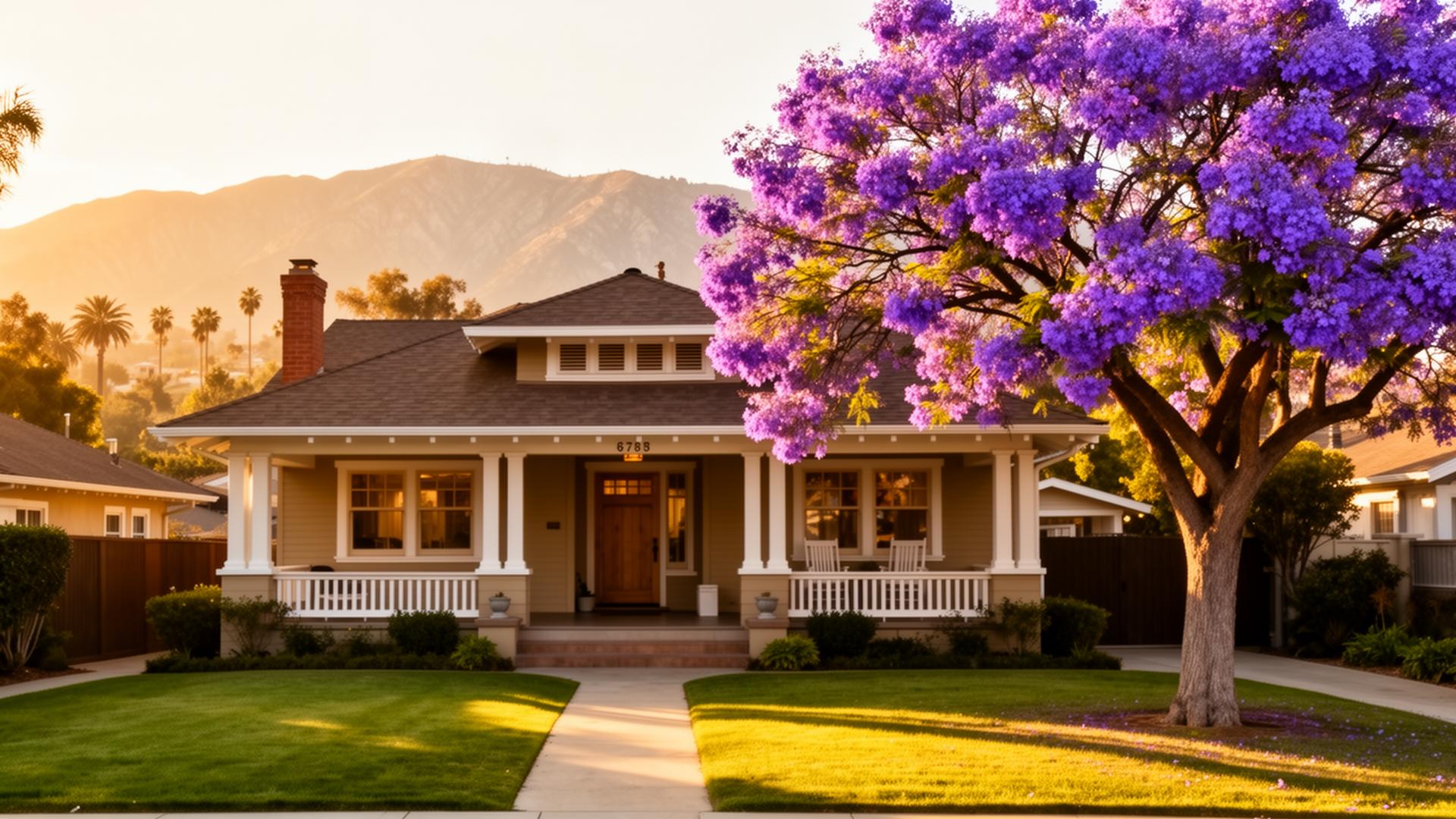
Real Estate
Pasadena Real Estate
Pasadena's housing stock is unusually varied for a city its size — a century of Craftsman, Revival and mid-century building across districts with very different characters. This section explains that landscape.
What shapes the market here
Three things distinguish Pasadena housing: the age and architectural significance of much of the stock, the presence of designated landmark districts, and the geography — flat grid in the center and west, hillside lots along the arroyo and the northern foothills.
Proximity to Caltech, Huntington Hospital, ArtCenter, JPL and the Metro A Line supports steady demand from research, medical and professional households. Supply is constrained by the city's size and its historic districts, and most new inventory arrives as multi-family and mixed-use development along the commercial corridors rather than as single-family construction.
We publish market figures only when they can be attributed to a current, citable source. For pricing and inventory data, work with a licensed local agent and verify against county records.
Neighborhoods
Housing by district
Each neighborhood guide describes the housing character, architecture and commercial streets of that district.

Old Pasadena
The city's 19th-century commercial core, now its busiest walking district.
Explore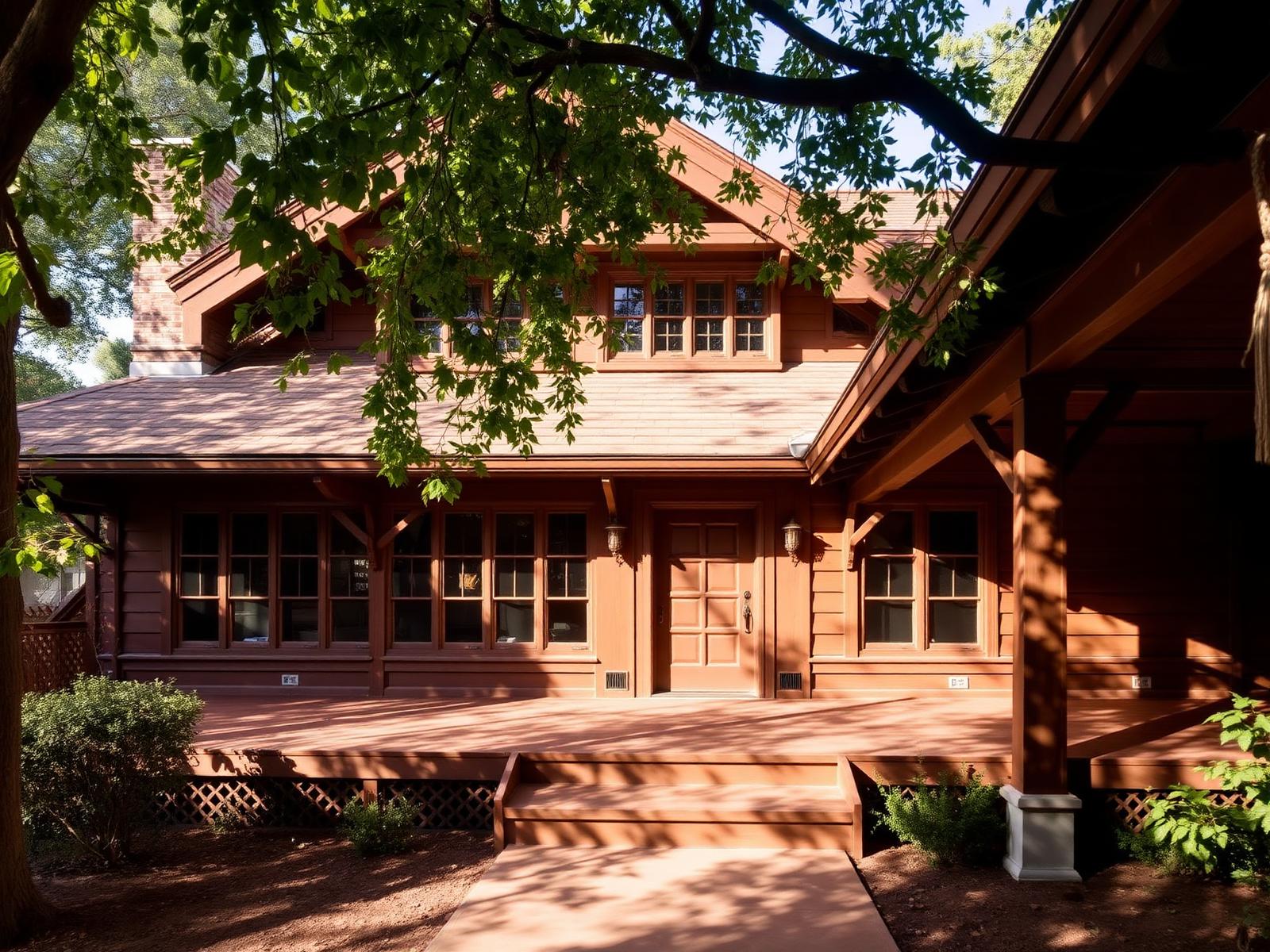
Bungalow Heaven
Roughly sixteen blocks of early-1900s Craftsman bungalows.
Explore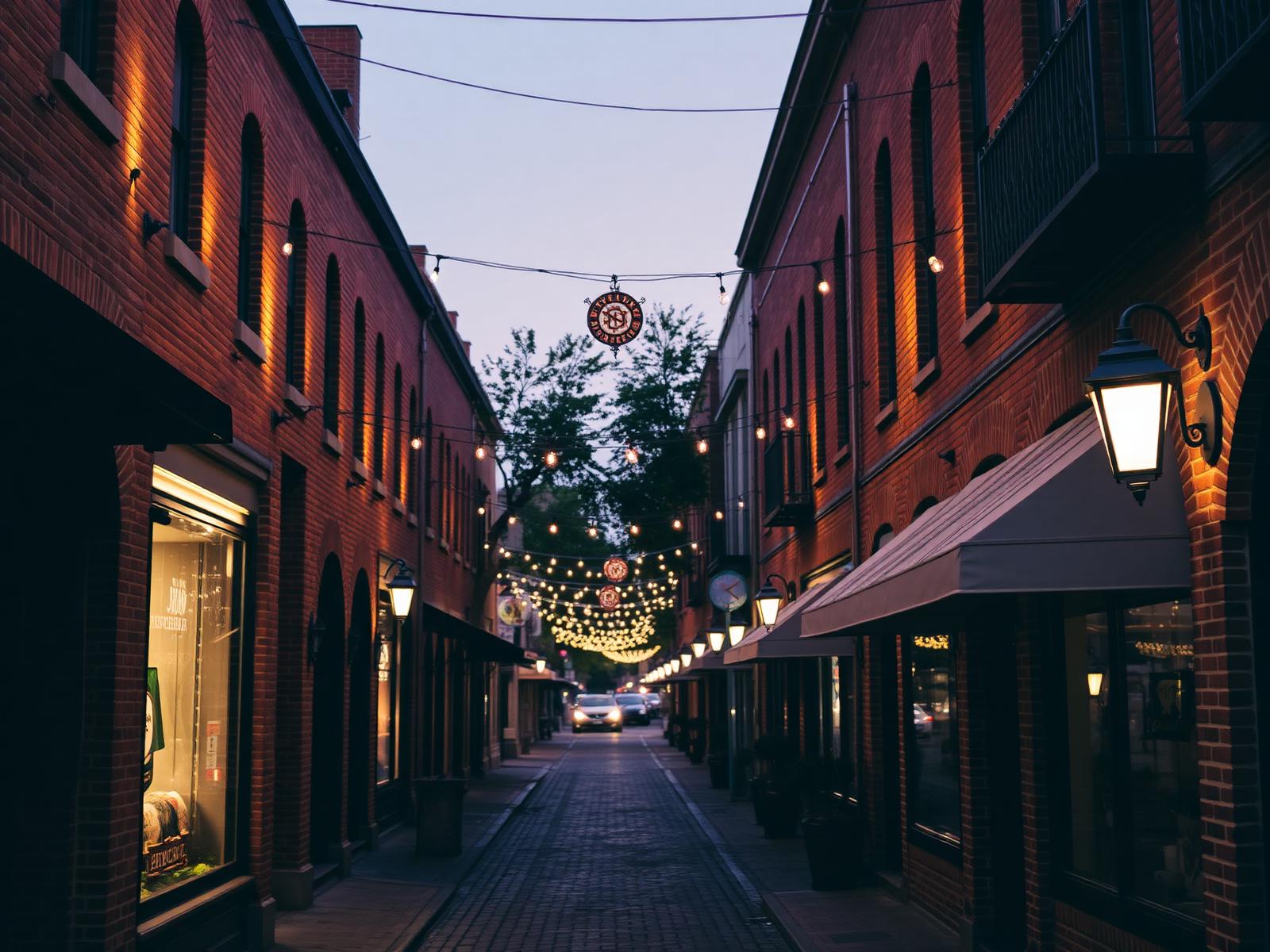
Madison Heights
Broad lots and mixed period revival architecture south of downtown.
Explore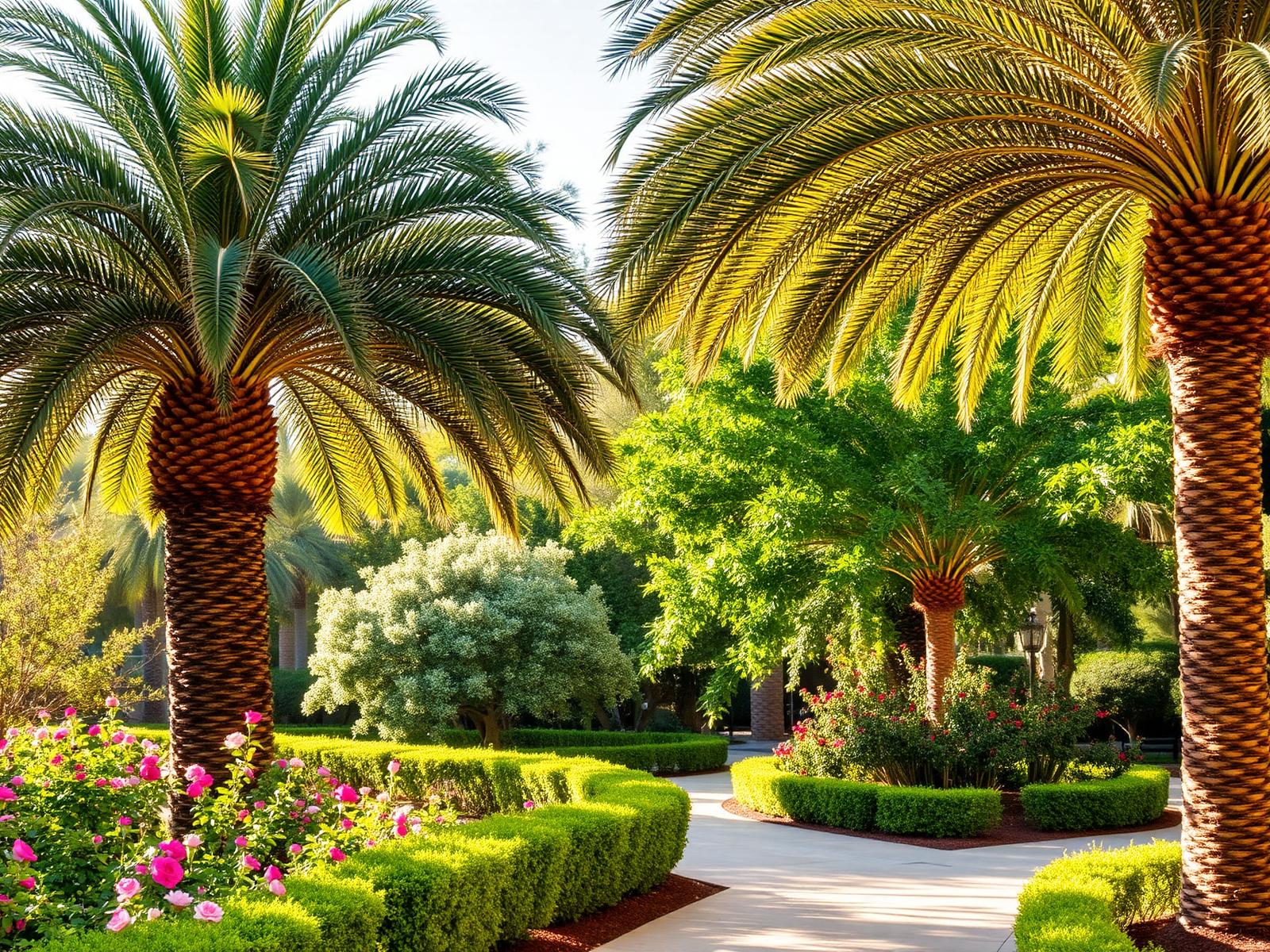
South Arroyo
Hillside streets above the Arroyo Seco, adjacent to the Gamble House.
Explore
Playhouse Village
The theatre district between downtown and South Lake.
ExploreStyles
Architecture you'll see
Craftsman
Low-pitched gabled roofs, deep porches, exposed rafter tails and built-in woodwork. Pasadena is one of the style's defining American cities.
Spanish Colonial Revival
Stucco walls, red clay tile roofs, arched openings and courtyards — widespread across the city from the 1920s.
English Tudor Revival
Steep roofs, half-timbering and brick or stone detail, concentrated in the older established districts.
Mediterranean Revival
Symmetrical stucco facades, tile and wrought iron, common on the larger lots south and east of the center.
Mid-Century Modern
Post-war infill with low profiles, wide glazing and open plans, especially on hillside lots.
Contemporary + Multi-Family
Newer condominium and mixed-use buildings along Colorado Boulevard, Lake Avenue and near the Metro A Line.
Directory
Real estate professionals
Listings are unverified and are not endorsements. PasadenaCalifornia.com is not a licensed real estate brokerage and does not provide real estate, legal or financial advice.
Pasadena real estate FAQs
- What kinds of homes are common in Pasadena?
- Craftsman bungalows, Spanish Colonial Revival houses, English Tudor Revival, Mediterranean Revival and mid-century homes all appear across the city, alongside condominiums and multi-family buildings concentrated near the commercial corridors and the Metro A Line.
- Are there historic preservation rules?
- Yes. Pasadena has landmark districts and designated historic properties, and exterior work in those areas can be subject to review. Bungalow Heaven is the best-known example. Confirm any property's status with the City of Pasadena before planning changes.
- How do property taxes work?
- California property taxes are governed by Proposition 13 and administered by Los Angeles County, with additional local assessments that vary by parcel. Check the county assessor for a specific property rather than relying on general figures.
- Is Pasadena walkable?
- Parts of it are highly walkable — Old Pasadena, Playhouse Village, South Lake and the corridors around the Metro A Line stations. The hillside and northwestern residential districts are more car-oriented.
Work in Pasadena real estate?
Agents, brokerages, lenders and property managers can claim a directory listing or ask about featured placement in this section.
List your businessPasadena Weekly
Pasadena, in your inbox.
Local events, restaurants, neighborhood stories, real estate and things worth knowing about Pasadena.